Why Boutique Clothing Feels More Exclusive
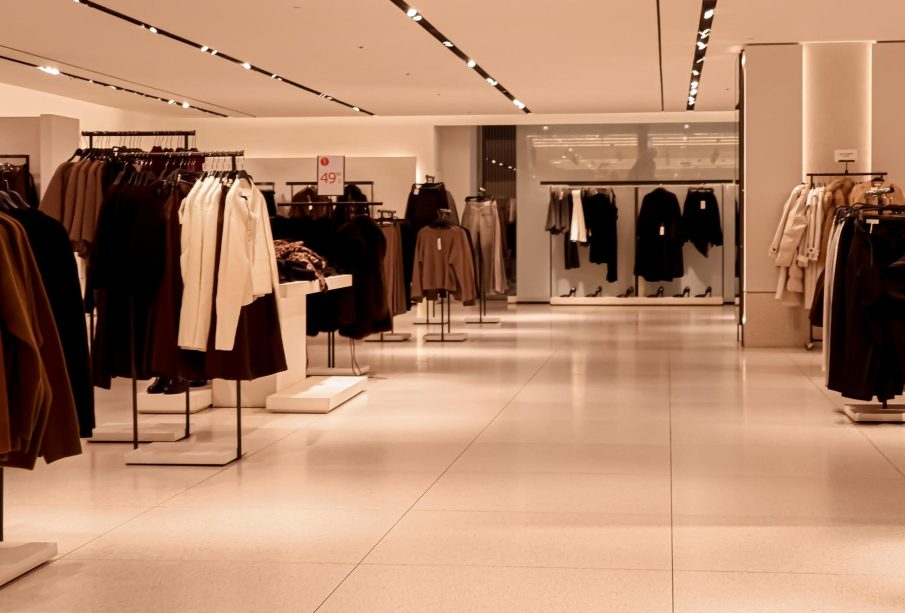
Boutique clothing has long been associated with individuality, refinement, and thoughtful design. Unlike mass-produced garments found in large retail chains, boutique fashion often delivers a sense of rarity that appeals to shoppers who want their wardrobe to reflect personal taste rather than mainstream trends. This perception of exclusivity is not accidental. It comes from a combination of limited production, curated collections, craftsmanship, and closer connections between designers and customers.
Understanding why boutique clothing feels more exclusive helps shoppers make smarter wardrobe decisions and appreciate the value behind these pieces.
Limited Production Creates Natural Scarcity
One of the primary reasons boutique clothing feels exclusive is limited availability. Boutique retailers rarely produce garments in large quantities. Instead, they release smaller batches that maintain uniqueness across their collections.
This limited production approach means:
- Fewer people own the same item
- Styles remain distinctive longer
- Seasonal turnover feels more intentional
- Customers experience less repetition in public settings
Scarcity naturally increases perceived value, which strengthens the sense of exclusivity associated with boutique fashion.
Curated Collections Reflect a Clear Style Identity
Boutique clothing stores typically present collections built around a consistent aesthetic rather than offering broad, unrelated selections. This curated approach creates a stronger visual identity that appeals to shoppers seeking cohesion in their wardrobe.
Curated collections often focus on:
- Coordinated color palettes
- Complementary silhouettes
- Seasonal storytelling through fabric choices
- Balanced styling versatility
When shoppers browse boutique collections, they experience a structured fashion narrative rather than a random assortment of garments.
Independent Design Direction Encourages Originality
Many boutique garments are created by independent designers or smaller production teams. Without pressure to meet mass-market expectations, these designers can explore creative ideas more freely.
Independent design contributes to exclusivity by offering:
- Unique silhouettes not widely replicated
- Experimental fabric combinations
- Fresh interpretations of classic styles
- Personalized artistic influence
Originality becomes a defining characteristic that distinguishes boutique clothing from large-scale retail alternatives.
Higher Attention to Fabric Selection Improves Perceived Value
Fabric quality plays a major role in how clothing looks and feels. Boutique brands often prioritize material selection because their reputation depends heavily on craftsmanship and customer trust.
Common boutique fabric advantages include:
- Better texture consistency
- Improved breathability
- Stronger structure retention
- Enhanced drape and movement
When garments feel better to wear, shoppers naturally associate them with higher value and exclusivity.
Smaller Production Teams Allow Greater Craftsmanship Control
Mass-market clothing production typically involves multiple manufacturing stages across large facilities. Boutique clothing, on the other hand, often benefits from closer oversight during production.
This structure allows:
- More consistent stitching quality
- Better finishing techniques
- Improved pattern accuracy
- Greater attention to garment details
Craftsmanship contributes significantly to how exclusive a garment appears and performs over time.
Boutique Stores Offer a More Personalized Shopping Experience
Another reason boutique clothing feels exclusive is the environment in which it is sold. Boutique shopping often includes individualized attention that large retail chains cannot easily replicate.
Personalized service may include:
- Styling suggestions tailored to body shape
- Guidance on garment pairing
- Insight into upcoming collections
- Flexible wardrobe coordination advice
This level of interaction strengthens the connection between the customer and the clothing.
Seasonal Releases Feel Intentional Rather Than Mass Produced
Boutiques often release collections in smaller seasonal waves instead of constant inventory rotation. This slower approach allows customers to engage more thoughtfully with each release.
Intentional seasonal drops create:
- Anticipation around new arrivals
- Stronger attachment to selected pieces
- Better wardrobe planning opportunities
- Reduced impulse purchasing behavior
The pacing itself reinforces the perception of exclusivity.
Unique Color Palettes Strengthen Identity
Color plays an important role in boutique clothing design. Instead of relying only on widely popular shades, boutiques frequently experiment with distinctive tones that enhance individuality.
Examples include:
- Muted earth-inspired palettes
- Unexpected seasonal neutrals
- Limited-edition prints
- Soft layered textures through color blending
Distinctive color choices make garments easier to recognize and harder to duplicate across mainstream retail environments.
Boutique Clothing Encourages Thoughtful Wardrobe Building
Exclusivity is not only about rarity. It also reflects intentional wardrobe development. Boutique shoppers often select garments more carefully because each piece represents a considered investment rather than a quick purchase.
Thoughtful wardrobe planning typically includes:
- Selecting versatile silhouettes
- Coordinating color compatibility
- Prioritizing long-term wearability
- Choosing quality over quantity
This strategy reinforces the emotional value attached to boutique clothing.
Designer Storytelling Adds Emotional Connection
Boutique brands frequently communicate the inspiration behind their collections. This storytelling element deepens the relationship between the garment and the wearer.
Design inspiration may include:
- Cultural references
- Seasonal influences
- Artistic direction
- Fabric sourcing journeys
Understanding the story behind a garment increases its perceived uniqueness.
Reduced Trend Saturation Maintains Style Longevity
Mass-market fashion trends spread quickly because they are produced at scale. Boutique clothing moves differently. Its smaller distribution helps styles remain fresh longer.
Benefits of reduced trend saturation include:
- Longer styling relevance
- Less visual repetition in everyday settings
- Greater confidence in outfit originality
- Stronger personal identity expression
Longevity contributes directly to exclusivity.
Boutique Retail Spaces Support Discovery Rather Than Volume
The layout and presentation of boutique stores differ from traditional retail chains. Instead of maximizing product density, boutiques typically highlight selected pieces more carefully.
This presentation style creates:
- Easier browsing experiences
- Greater focus on garment details
- Stronger visual storytelling
- More intentional purchase decisions
A slower browsing pace enhances the feeling that each piece matters.
Smaller Customer Communities Strengthen Brand Identity
Boutique brands often attract loyal customers who share similar aesthetic preferences. This creates a sense of belonging that supports exclusivity.
Smaller communities allow:
- More consistent styling identity across customers
- Greater engagement with brand updates
- Direct communication between designers and shoppers
- Increased trust in future collections
Community connection strengthens the emotional value of boutique clothing.
Boutique Pricing Reflects Design Investment Rather Than Volume Strategy
Boutique pricing structures differ from mass-market retail pricing. Instead of relying on volume sales, boutique brands focus on craftsmanship and originality.
Pricing reflects:
- Fabric sourcing quality
- Design development time
- Smaller production scale
- Finishing techniques
- Brand identity positioning
These elements contribute to the perception that boutique clothing represents a considered purchase rather than a disposable item.
Customization Opportunities Increase Exclusivity Further
Some boutiques offer limited customization services that allow customers to adjust garment features according to personal preferences.
Customization may include:
- Length adjustments
- Fabric variations
- Color selection options
- Tailoring recommendations
Personal adjustments strengthen the uniqueness of each piece.
Boutique Clothing Supports Individual Style Expression
Exclusivity ultimately comes from how clothing helps individuals express themselves. Boutique garments provide tools for building a wardrobe that reflects personality rather than imitation.
Individual expression benefits include:
- Greater confidence in outfit choices
- Stronger visual identity
- Reduced dependence on seasonal trends
- More meaningful wardrobe development over time
These qualities explain why boutique clothing continues to appeal to shoppers seeking authenticity.
FAQ: Why Boutique Clothing Feels More Exclusive
How does boutique clothing differ from designer brand clothing
Designer brands often operate globally with larger production volumes, while boutique clothing typically focuses on smaller collections and localized distribution.
Are boutique clothes always higher quality than retail chain garments
Not always, but boutiques often emphasize craftsmanship and material selection more carefully than high-volume retailers.
Why do boutique stores carry fewer size options sometimes
Smaller production runs limit inventory range, though many boutiques prioritize flexible silhouettes to accommodate different body types.
Can boutique clothing be considered sustainable fashion
Some boutiques follow sustainable practices, especially those using small-batch production or ethically sourced materials, but sustainability depends on each individual brand.
Is boutique clothing suitable for everyday wear
Yes. Many boutique garments are designed with versatility in mind and can transition easily between casual and professional settings.
Do boutique collections change more slowly than fast fashion lines
Yes. Boutique collections usually follow intentional seasonal timelines rather than rapid inventory turnover cycles.
Why do boutique shoppers often stay loyal to specific stores
Consistency in design direction, personalized service, and reliable craftsmanship encourage long-term customer relationships with boutique retailers.